Do You Really Need Yoga Blocks? Benefits and Alternatives
This guide will walk you through the benefits of yoga blocks, how to use them, and affordable substitutes so you can decide what’s right for your practice.
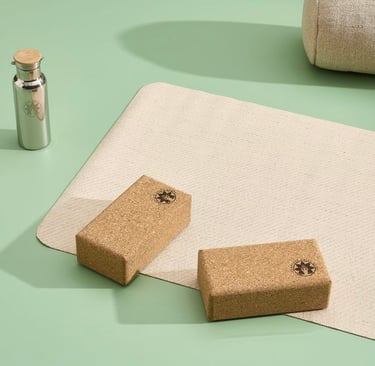
When you’re new to yoga, it’s easy to feel overwhelmed by all the gear: mats, straps, bolsters, wheels, and blocks. You might be asking yourself, Do I really need yoga blocks? The short answer: No, yoga blocks aren’t essential—but they can transform your practice.
Whether you’re a beginner struggling to reach the floor or an experienced yogi working on advanced poses, blocks provide stability, support, and accessibility. And if you don’t want to buy them right away, there are plenty of creative alternatives.
What Are Yoga Blocks?
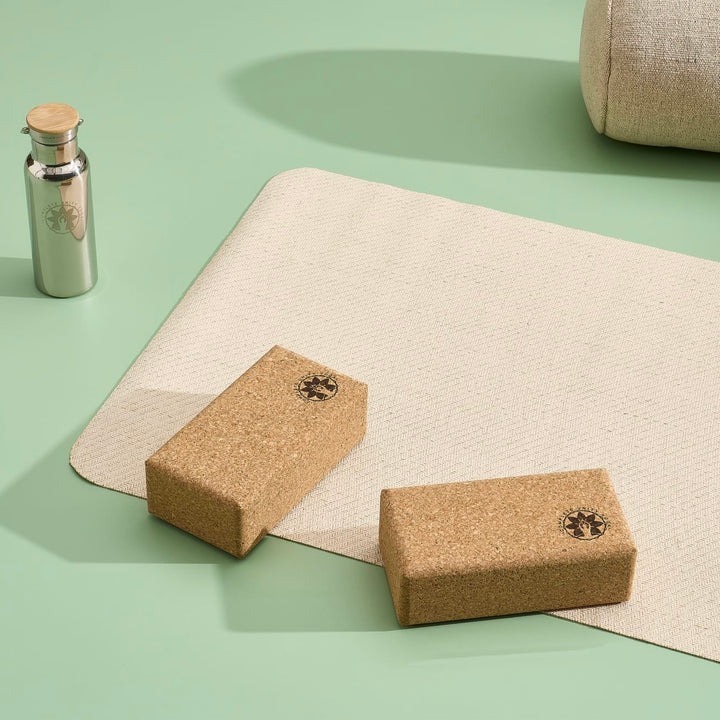
Yoga blocks are a rectangular prop used in yoga to help assist people with different yoga poses. Yoga blocks can be made from a wide range of materials depending on your preference, these can include: foam, cork, wood and many more.
What they are used for:
They can help with stability in your balancing poses.
Give you elevation and help reduce strain.
Provide support for injury recovery.
Supporting beginners for deeper stretches.
Do You Really Need Yoga Blocks?
The honest answer... it depends on you, and what you want to get out of yoga.
Beginners: Yoga blocks can help cushion those poses that you just need that little extra help with. For example, in Triangle Pose, resting your hand on a block instead of straining toward the floor keeps your alignment safe and comfortable.
Intermediate/Advanced Yogis: Even experienced yogis use yoga blocks to help deepen their stretches safely.
Restorative & Yin Yoga: Blocks can play a big role in restorative yoga as they help you in longer holding poses.
So while you are able to do yoga without blocks, they can be a good addition to your yoga journey creating deeper stretches, better alignment, and a safer approach to yoga.
Benefits to Yoga Blocks
Allows for deeper stretches in poses.
Yoga blocks prevent injury during poses, this helps putting less strain on injury areas.
Provide you with more stability in poses.
Balance and allignment.
Can help with confidence in yoga.
Alternatives to Yoga Blocks at Home
Sometimes you my not want to make a purchase off the bat, or are looking to experiment more before making a purchase. If thats the case here are some alternatives:
Books: The shape helps to mimic that of a yoga block for stability in poses and balance.
Firm Cushions or Pillows: These can help create the small bit of elevation for you.
Rolled up Towels or Blankets: These can be a create help with cushioning an injury and alleviating strain.
Sturdy Boxes or Containers: That similar to books they help with stability and balance.
Tip: If you are looking to invest in blocks for yoga start with foam blocks, as this is beginner friendly, and a cheaper option.
Which Should You Choose?
If you ever choose to buy yoga blocks, consider this:
Foam Blocks: They are beginner friendly, lightweight, cheaper, and great for restorative yoga.
Wooden Blocks: Eco-friendly, great for balancing work, and long lasting.
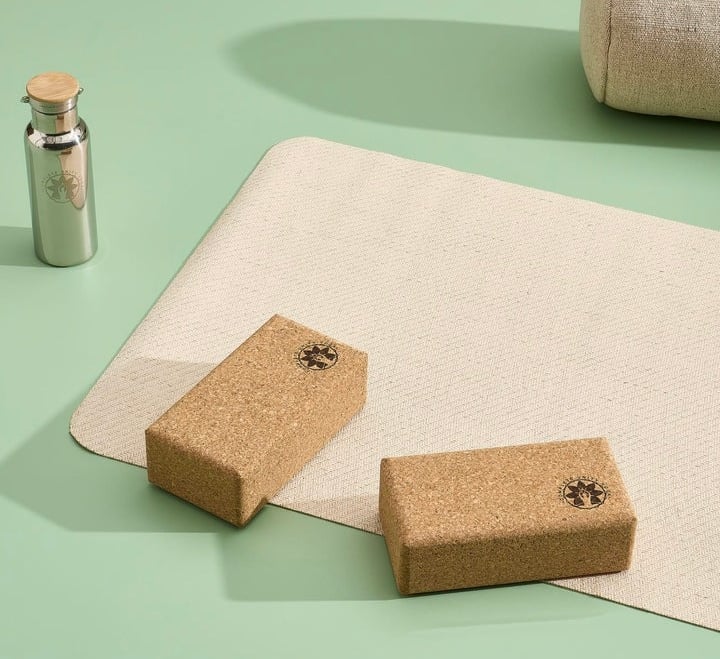
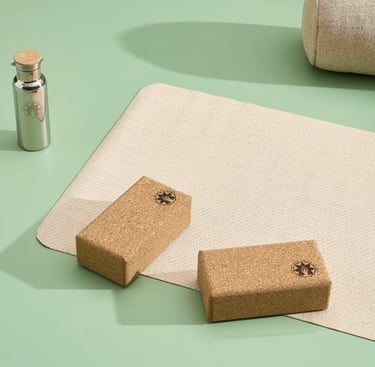
Cork Blocks: Another eco-friendly option, supportive, and firm, helping deepen your poses further.
I love the Cork Blocks from Complete Unit Yoga, as they have the planet in mind with all of their products, and have better firmness than foam blocks.
Do You Need One or Two Blocks?
While you can get away with just using one, two blocks can help in specific poses. For example:
Upward facing dog - place one block under each hand.
Half Splits - Placing blocks under hands again.
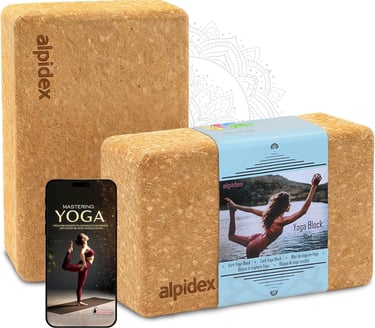
Check these out on Amazon:
I would recoomend to start off with one if you are a beginner into yoga then as you progress you can looking into investing in two.
Final Thoughts
So—do you really need yoga blocks? Not necessarily. You can practice yoga without them, especially if you’re flexible and comfortable with modifications. But yoga blocks:
Improve alignment
Reduce injury risk
Make poses more accessible
Help deepen your practice
They’re one of the most useful, affordable props you can add to your yoga toolkit. And if you don’t want to buy them right away, household alternatives like books or pillows can do the trick.
The bottom line? Yoga blocks aren’t mandatory, but they can make your practice safer, more comfortable, and more rewarding—no matter your level.
What blocks are you thinking of trying first? Let me know in the comments.
Comments
Explore tips, poses, and healing practises for yoga.
Follow on Socials
© 2025.All rights reserves That Yoga Stuff