
How to Choose the Right Yoga Mat: A Complete Beginners Guide
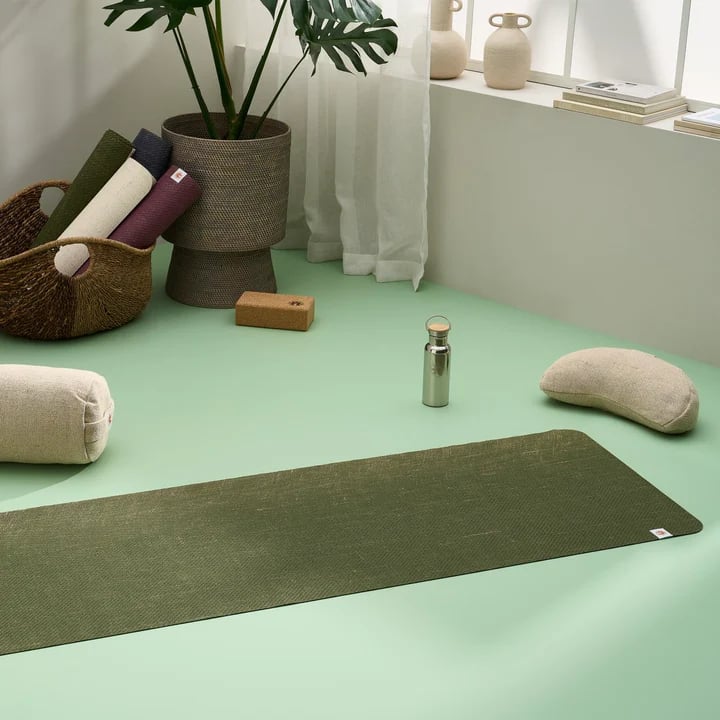
Choosing a yoga mat is more than just picking a colour or style. The right mat improves your grip, supports your joints, and enhances your overall yoga experience. With so many options, choosing a yoga mat that meets your needs can feel overwhelming.
This guide breaks down the key factors—thickness, material, size, grip, and more—so you can confidently find the best yoga mat for your practice.
Yoga Mat Thickness: Comfort vs. Stability
1–2mm: Yoga mats of this thickness tend to be best for anyone wanting to do yoga while on the go/travelling.
3–4mm (Standard Mats): This type of yoga mat thickness is the most common, great for stability and balance.
5–6mm: This kind of thickness can be for people looking for the extra bit of cushioning, this is great for your joints.
Tip: If you’re a beginner, I would recommend 3-4mm thickness in a yoga mat.
Best Yoga Mat Materials for Grip
PVC: This type of material in yoga mats are more affordable and long-lasting, but they are not as eco-friendly as some other choices.
TPE (Thermoplastic Elastomer): This material is lightweight, non toxic, and beginner-friendly.
Jute: This is a great eco friendly choice, my yoga mat is made from this, for more information check out my yoga mat review.
Cork: This material is perfect for grip, has antibacterial properties, and helps with cooling you down while you're doing those sweatier yoga sessions.
Tip: If you're not sure which mat to start off with, try the Yogii Yoga Mat Non-Slip 6mm this is a lovely choice for beginners.
Portability: Lightweight vs. Studio Mats
Do you go to a class frequently, or travel with your yoga mat? Or do you keep your yoga sessions at home? If you do yoga classes, the best option for you would be a lightweight yoga mat (1-3mm thickness). But if you prefer to do yoga at home like I do, go for the 3-6 mm thickness mat.
Eco-Friendly and Sustainable Yoga Mats
Eco-conscious yogis can choose mats made of natural rubber, cork, or jute. These kinds of mats are non toxic, great for the planet, and sweat absorbant.
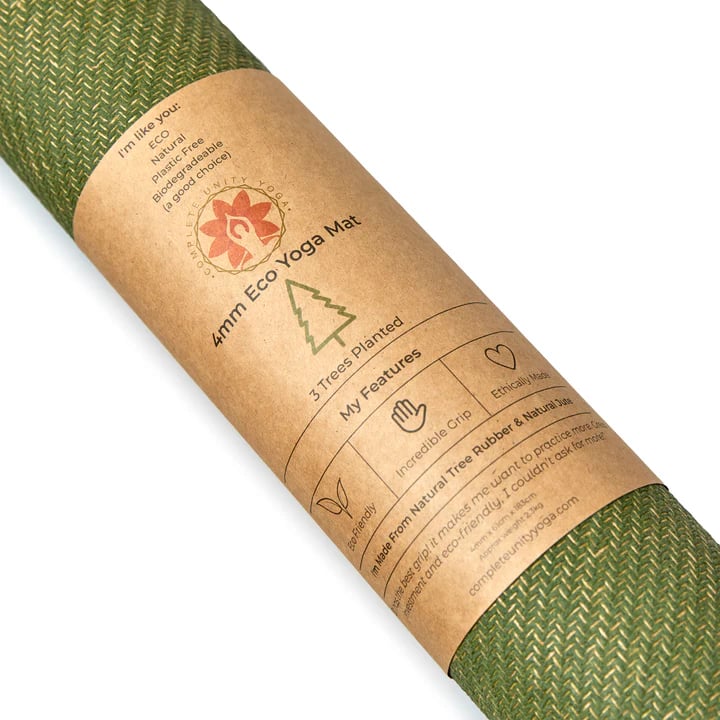
The Sustainable Non-Slip Jute Yoga Mat CompleteGrip™ from Complete Unity Yoga is a very good, eco-friendly option.
Incredible Grip - This mat is perefect for those sweatier yoga sessions.
Eco-Friendly - With the mat being made from natural tree rubber and jute fibres this is a great choice for the planet.
Long Lasting - Being made from premium quality materials, this mat can withstand your intense practices, giving you that timeless support.
Budget-Friendly vs. Premium Yoga Mats
Budget Yoga Mats (£20–£40): A better choice for people starting out in yoga.
Mid-Range Mats (£40–£70): Great for both quality materials and great support.
Premium Yoga Mats (£80+): Built for endless durability, supporting you even in those intense yoga sessions.
As getting a cheaper yoga mat is great to start off with, getting a better quality yoga mat is a great investment for you in the long run, you can also get the most out of it too.
Try Before You Buy
If you can, try testing out your yoga mat first before purchasing, e.g trying out in the shop before buying, or using your classes yoga mats. Make sure you test the grip on the mat, how it feels for you, whats the cushioning like under your joints, do you fit on the mat comfortably in warrior 2 pose or downward facing dog.
Final Thoughts
Your yoga mat is more than just exercise equipment—it’s your personal space to move, breathe, and grow. By considering thickness, material, grip, size, and portability, you can find a yoga mat that supports your body and practice.
Whether you choose a lightweight travel mat, a cushioned joint-friendly mat, or an eco-friendly cork option, the right choice will help you feel confident and comfortable every time you step onto the mat.
Not sure which mat to try first? Check out this mat.
Comments
Explore tips, poses, and healing practises for yoga.
Follow on Socials
© 2025.All rights reserves That Yoga Stuff